

Midi dresses are one of those wardrobe pieces that can look effortlessly chic or slightly awkward depending on how they’re styled. The good news is that when worn the right way, midi dresses can flatter every body type and instantly make you look polished and confident.
If you’ve ever tried on a midi dress and felt unsure about the length, fit, or proportions, you’re not alone. This guide will walk you through simple, practical styling tips so you can wear midi dresses with confidence and create a balanced, flattering silhouette every time.
Understand Why Midi Dresses Can Be Tricky
Midi dresses usually fall somewhere between the knee and ankle, which is exactly why they can be tricky. This length cuts across the leg at a point that draws attention, so small styling choices make a big difference.
Common concerns people have include
Feeling shorter than usual
The dress looking boxy or shapeless
The hem hitting at an awkward spot
Shoes throwing off the whole look
The key to solving all of these is balance. Once you understand how to create visual balance, midi dresses become one of the easiest pieces to wear.
Choose the Right Length for Your Height
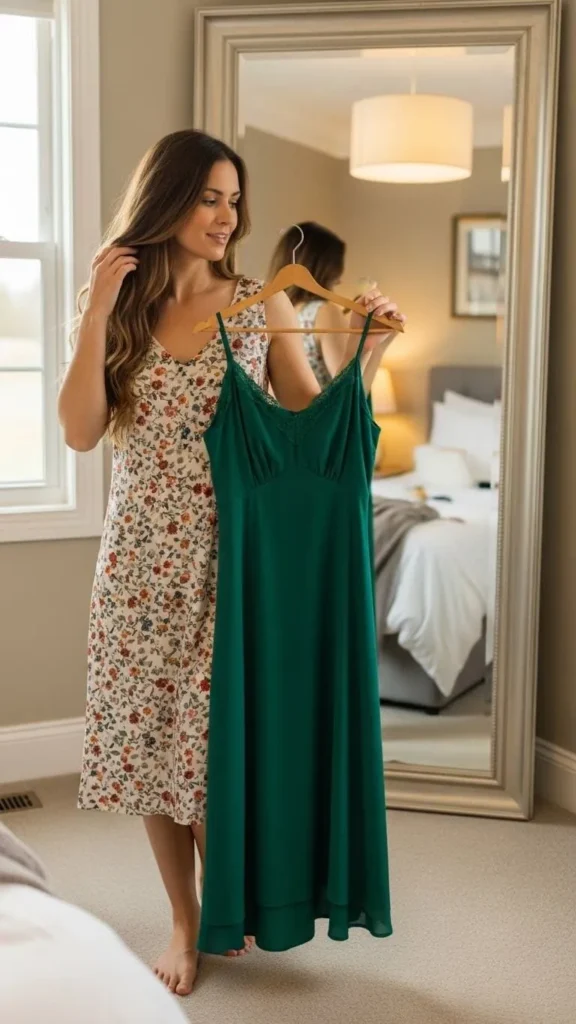
Not all midi lengths are created equal. A few inches can completely change how the dress looks on your body.
For a flattering silhouette
Petite frames often look best with midis that hit a few inches below the knee
Average heights can experiment with classic mid-calf lengths
Taller frames can pull off longer midis that sit closer to the ankle
If the hem hits the widest part of your calf and feels off, that’s your cue to try a slightly shorter or longer version. Tailoring is also a great option if you love a dress but not the exact length.
Define Your Waist for Instant Shape
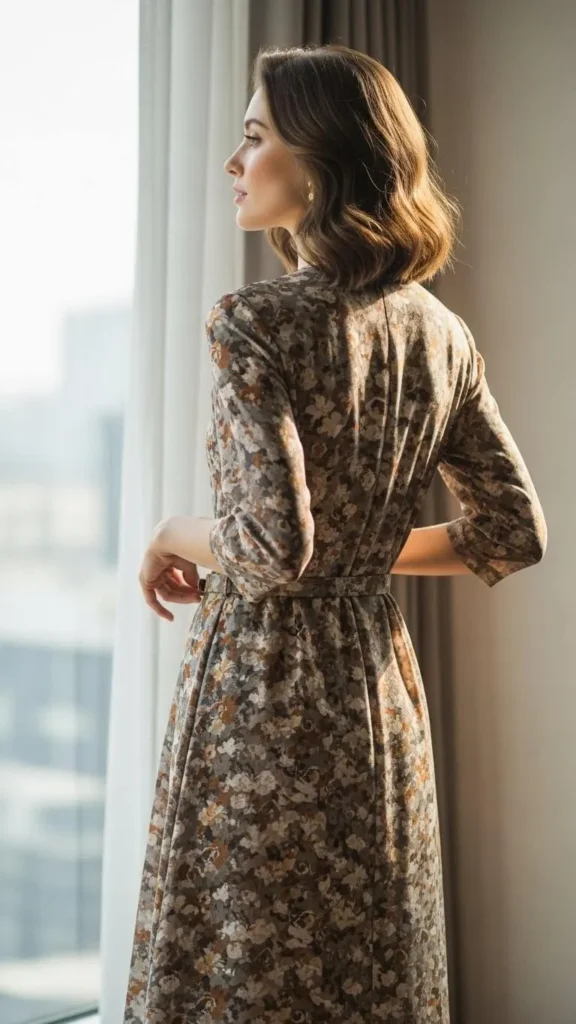
One of the biggest mistakes with midi dresses is wearing them without any waist definition. Even naturally slim dresses benefit from a little shaping.
Easy ways to define your waist
Choose wrap-style midi dresses
Add a belt in a matching or contrasting color
Look for dresses with ruching or elastic at the waist
Try styles with seams or paneling at the midsection
Defining your waist creates an hourglass effect and prevents the dress from looking too straight or heavy through the middle.
Pick Fabrics That Move With You
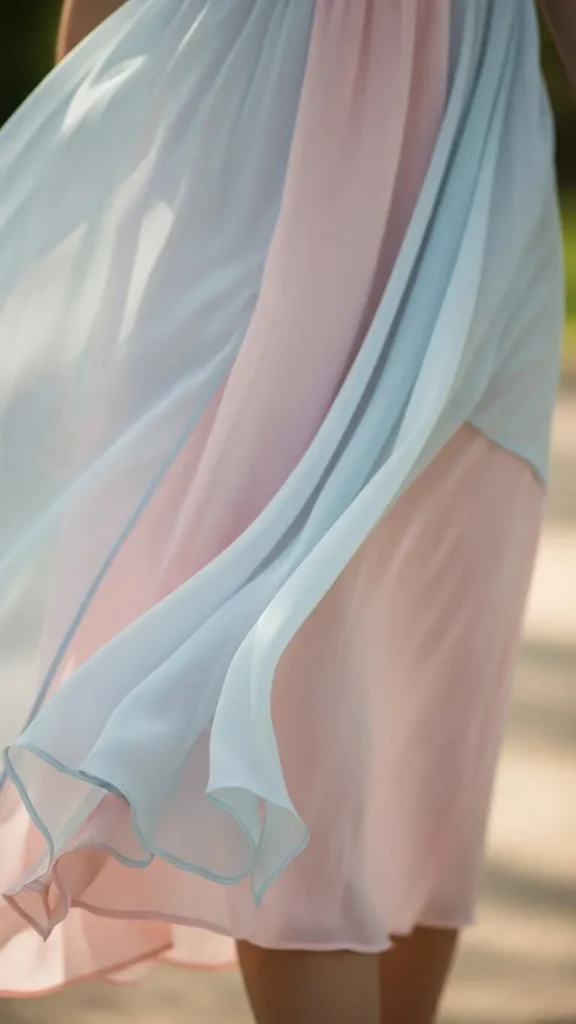
Fabric choice plays a huge role in how flattering a midi dress looks. Stiff or bulky materials can add unnecessary volume, while softer fabrics tend to skim the body beautifully.
More flattering fabric options include
Lightweight cotton blends
Soft jersey or ribbed knits
Satin and silk for flow and drape
Chiffon or viscose for movement
If you want structure, look for dresses that are tailored at the top and flow from the waist down. This combination gives shape without feeling tight or restrictive.
Choose Shoes That Balance the Hemline
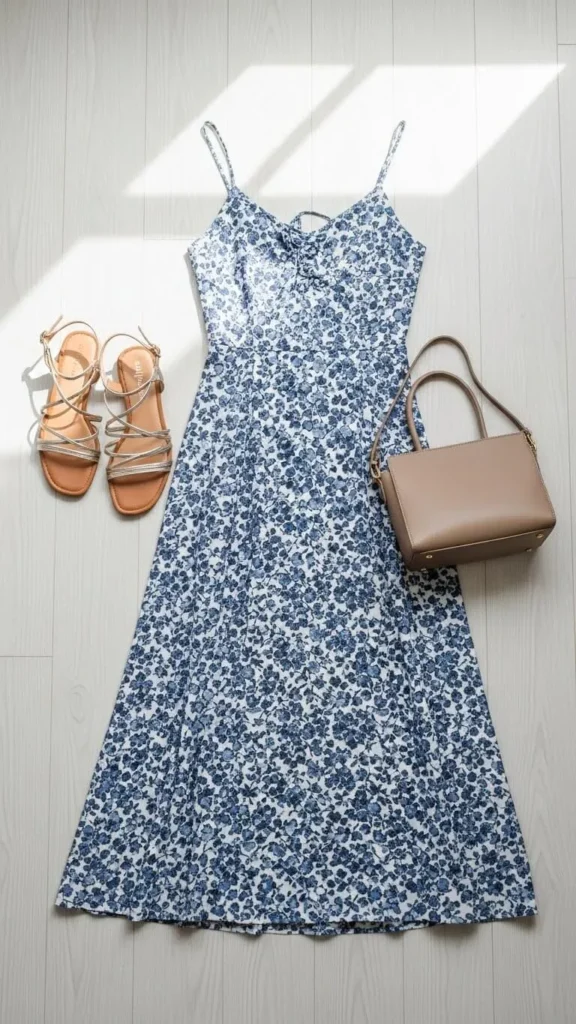
Shoes can make or break a midi dress outfit. The goal is to keep your leg line looking long and uninterrupted.
Flattering shoe pairings include
Pointed-toe flats to visually extend the leg
Low heels or block heels for everyday wear
Nude or skin-tone shoes for a lengthening effect
Strappy sandals that show a bit of foot and ankle
If you’re wearing ankle boots, choose a slimmer style or match the boot color to your dress or tights to avoid cutting off your leg line.
Play With Necklines and Sleeves
The upper half of your midi dress matters just as much as the bottom. Necklines and sleeves help balance proportions and draw attention upward.
Flattering neckline options
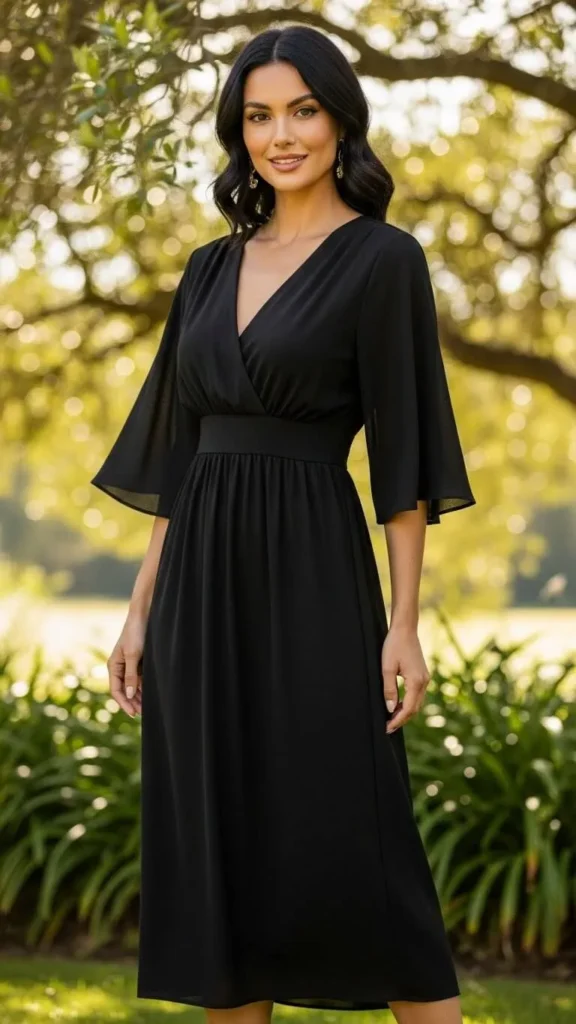
V necks to elongate the torso
Scoop necks for a softer look
Square necklines for structure and balance
Sleeve tips that work well
Three-quarter sleeves for elegance
Flutter sleeves for softness
Fitted long sleeves to streamline the arms
If the dress is more covered on the bottom, showing a bit of skin on top keeps the look light and balanced.
Layer Smartly Without Adding Bulk
Layering a midi dress can be flattering when done right. The key is to keep layers structured and proportional.
Good layering ideas
Cropped jackets that hit at the waist
Fitted denim jackets for casual looks
Lightweight cardigans worn open
Tailored blazers for a polished outfit
Avoid long, bulky layers that compete with the dress length. Keeping layers shorter helps maintain a clean silhouette.
Use Color and Prints to Your Advantage
Color placement and prints can guide the eye and enhance your shape.
Helpful color tips
Monochrome outfits create a longer line
Darker colors on areas you want to minimize
Brighter colors where you want attention
Print tips that flatter
Vertical stripes to elongate
Smaller prints for a softer look
Strategic patterns that draw the eye upward
If you’re new to midi dresses, start with solid colors before experimenting with bold prints.
Confidence Is the Final Styling Step
The most flattering thing you can wear with a midi dress is confidence. When you feel comfortable and balanced in your outfit, it shows in your posture and movement.
Try your dress on at home, walk around, sit down, and see how it feels. Small adjustments like changing shoes or adding a belt can completely transform the look.
Midi dresses are versatile, timeless, and surprisingly easy to style once you know what works for you. Save this guide for later and come back whenever you need a quick confidence boost before stepping out in your favorite midi dress.

Leave a Reply