

There’s a reason our grandmothers swore by hair oiling — it’s one of the oldest and most effective ways to keep your hair shiny, soft, and strong. But the secret isn’t just in the oil itself — it’s how you use it. Applying hair oil the right way can mean the difference between greasy roots and gorgeous, healthy hair. Let’s dive into how to use hair oil correctly for maximum benefits.
Even with all the fancy serums and masks on the market, a good old-fashioned hair oil treatment remains unbeatable. Oils nourish your scalp, repair dry strands, reduce frizz, and even help with hair growth.
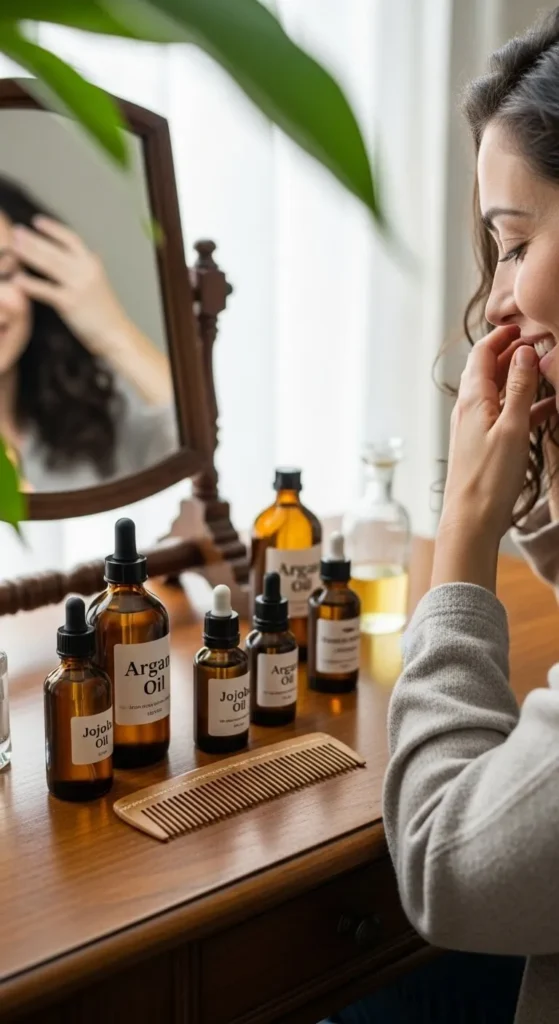
Why Oiling Your Hair Still Matters
Regular oiling:
- Strengthens the hair shaft
- Reduces breakage and split ends
- Improves shine and softness
- Keeps your scalp hydrated and flake-free
Think of it as a weekly spa ritual for your scalp. The trick is to choose the right oil and apply it the right way.
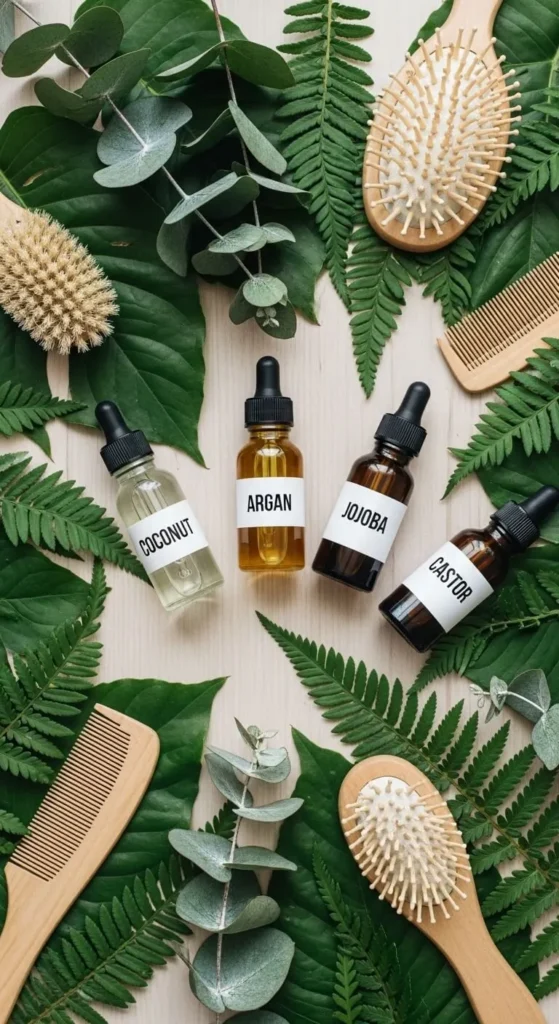
Step 1: Choose the Right Oil for Your Hair Type
Not all oils are created equal! Picking one that suits your hair type makes a huge difference in how your hair feels afterward.
For dry or frizzy hair:
- Coconut oil or argan oil add deep moisture.
For oily scalp:
- Jojoba oil or grapeseed oil help balance sebum.
For hair fall or thinning:
- Castor oil or rosemary-infused oil stimulate growth.
For dull, lifeless hair:
- Almond or olive oil boost shine and smoothness.
You can also mix oils for a custom blend — like coconut oil for nourishment + rosemary oil for growth.
Step 2: Warm the Oil Slightly
Warm oil penetrates deeper into the scalp and cuticle layers of your hair. But don’t overheat it — it should be comfortably warm, not hot.
Here’s how to do it safely:
- Pour 2–3 tablespoons of your chosen oil into a small bowl.
- Place the bowl in a cup of hot water for a few minutes.
- Test the temperature before applying.
This simple step helps the oil absorb better and gives you that soothing “spa-at-home” feel.
Step 3: Massage It Into Your Scalp
This step is where the magic happens. A good scalp massage boosts blood circulation, which helps your hair follicles get more nutrients and oxygen.
- Start by parting your hair into sections.
- Dip your fingertips (not nails!) into the warm oil.
- Gently massage your scalp in small circular motions for 5–10 minutes.
- Don’t forget the back of your head and near your ears — these spots often get missed!
Massaging your scalp also helps relieve stress — which, fun fact, can reduce hair fall over time.

Step 4: Apply Oil Along the Lengths and Ends
Once your scalp is covered, move on to your hair strands. Focus especially on the ends — they’re the oldest and driest parts of your hair.
- Rub a little oil between your palms.
- Gently work it through your hair from mid-length to ends.
- Use a wide-tooth comb to distribute it evenly and detangle any knots.
This step seals in moisture and gives your hair that smooth, shiny finish after washing.
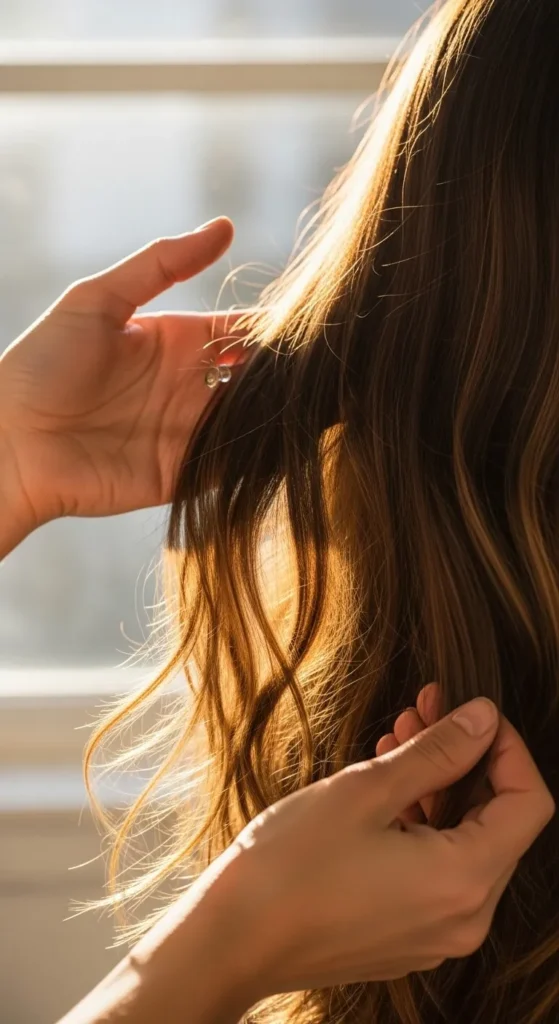
Step 5: Let It Sit (But Not Too Long!)
How long you leave oil in your hair depends on your hair type:
- Dry hair: 1–2 hours, or overnight for deep nourishment.
- Oily scalp: 30–45 minutes is enough.
- Normal hair: 1 hour before shampooing works perfectly.
Cover your head with a warm towel for extra absorption. The steam helps open up your hair cuticles so the oil can do its work.
Avoid keeping it on for days — this can clog your pores and attract dirt, doing more harm than good.
Step 6: Rinse It Out Properly
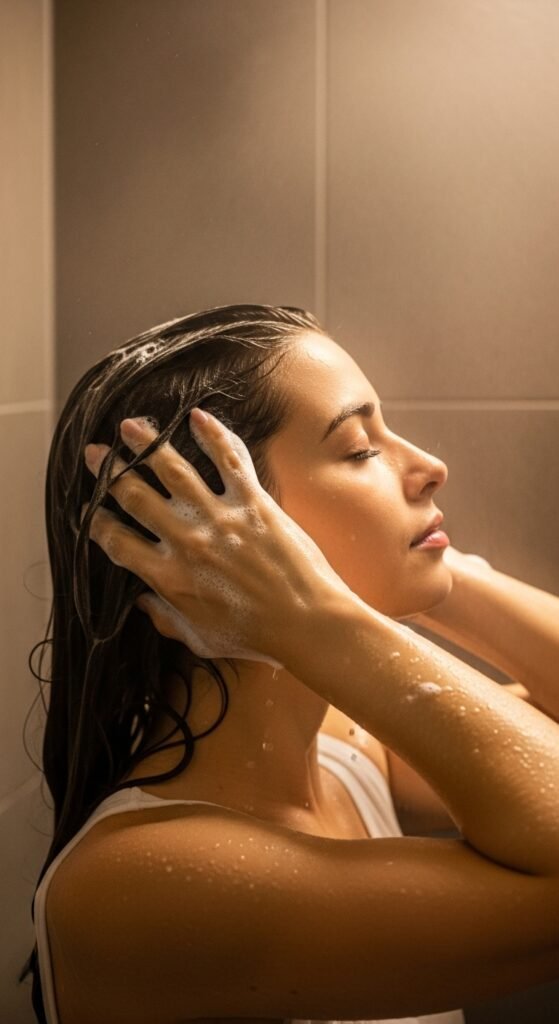
Washing out hair oil can be tricky, but here’s how to do it without over-shampooing:
- Apply shampoo directly to your oiled hair before wetting it.
- Gently massage, then add a little water to create lather.
- Rinse thoroughly and repeat if needed.
- Finish with a light conditioner on the ends.
Avoid using too much shampoo — it can strip away the oil completely, leaving your hair dry again.
Step 7: Lock In the Moisture After Washing
Once your hair is towel-dried, apply a few drops of lightweight oil (like argan or almond) to the ends. This helps lock in moisture and tame frizz without weighing your hair down.
Bonus tip:
- Use a silk pillowcase to keep your hair smooth overnight.
- Limit heat styling right after oiling — your strands are extra soft and need time to strengthen.
Common Mistakes to Avoid
Even the best oils won’t work if you make these common mistakes:
- Using too much oil — a little goes a long way.
- Applying oil on dirty or sweaty hair.
- Skipping the massage — circulation is key.
- Leaving oil on for too many days.
- Using harsh shampoos that undo all your effort.
How Often Should You Oil Your Hair?
Most people do well with oiling 1–2 times a week. But if your hair is very dry or damaged, you can do it 3 times weekly. The key is consistency — your hair will thank you for the regular TLC.
You’ll start to notice smoother texture, reduced breakage, and a beautiful natural shine in just a few weeks.
Final Takeaway
Using hair oil isn’t just about coating your strands — it’s about treating your scalp and hair with intention and care. With the right oil, a bit of warmth, and gentle massaging, you can transform dull, brittle hair into soft, strong locks that feel alive again.
So, next time you plan a self-care night, warm up that oil, put on your favorite playlist, and give your hair some love.
✨ Save this guide for your next hair oiling day — your future self (and your hair) will thank you!

Leave a Reply