

Waking up with bouncy, soft curls without touching a curling iron sounds like a dream but it’s 100% possible. Heatless curls have taken over TikTok and Pinterest for good reason: they’re easy, damage-free, and give you that effortless “I just woke up like this” vibe. Whether you have long, medium, or short hair, there’s a no-heat curling method that actually works for you.
Ready to ditch the hot tools and still wake up with perfect waves? Here’s how to get heatless curls overnight that last all day.
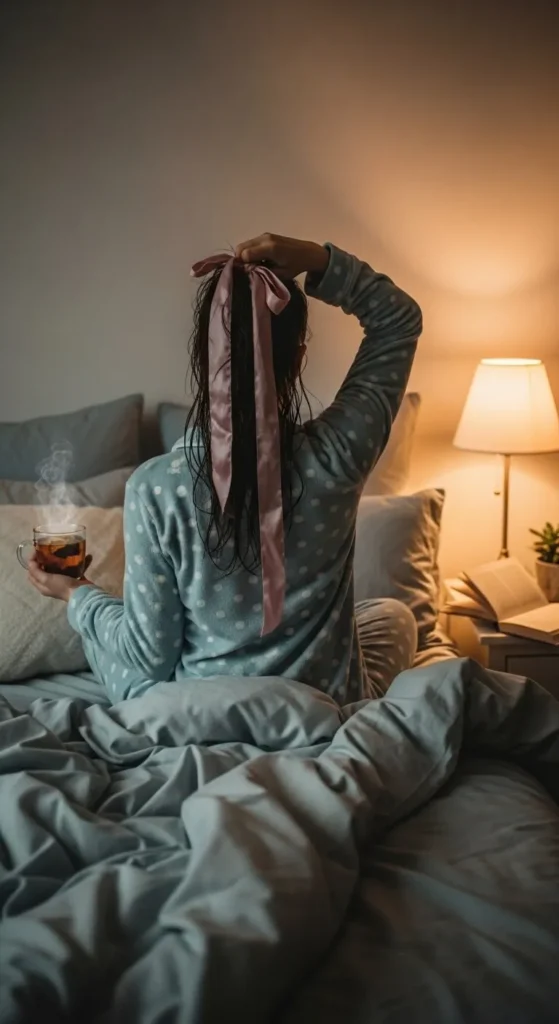
Step 1: Start with the Right Hair Prep
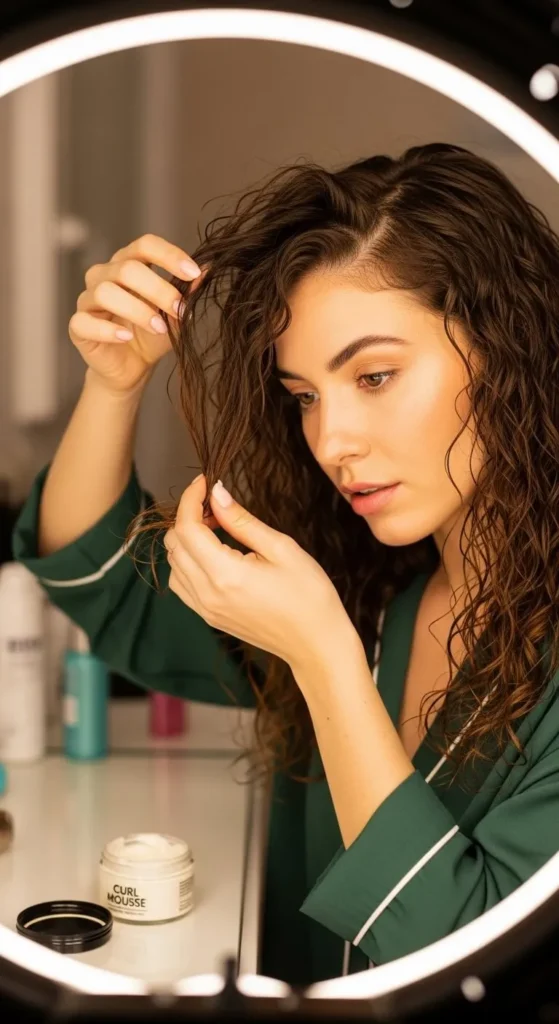
The secret to good curls starts before the wrapping even begins. Your hair needs the right balance of moisture and texture to hold a shape overnight.
- Start with freshly washed or damp hair. If your hair is too wet, it won’t dry by morning; if it’s completely dry, the curls might not form well.
- Add a styling mousse or curl cream. This helps give your strands grip and definition.
- Brush through gently. Smooth out any tangles so your curls don’t turn frizzy or uneven.
If your hair tends to fall flat easily, add a bit of volumizing spray at the roots before wrapping.
Step 2: Choose Your Heatless Curling Method
There’s no one-size-fits-all method—your hair type and length determine which technique gives the best results. Here are three that always deliver.
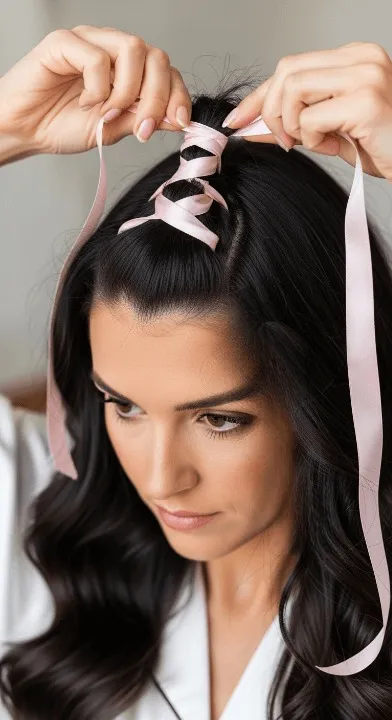
1. The Classic Silk Ribbon Method
Use a long silk or satin ribbon (or even a bathrobe tie). Split your hair into two sections, place the ribbon on top of your head like a headband, and twist small strands around it until you reach the ends. Secure with scrunchies.
2. The Sock Bun Method
For soft, round curls, roll your damp ponytail around a clean sock like a donut bun. Sleep with it overnight and release in the morning for loose, bouncy curls.
3. Braiding Before Bed
If you love beachy waves, braid your hair into two or more loose braids before sleeping. The tighter the braid, the tighter the wave.
Each of these methods works best when you secure everything gently with silk or satin ties to prevent breakage and frizz.
Step 3: Sleep Comfortably (and Protect Your Hair)
A big reason why some people wake up with messy curls instead of smooth waves is friction. Cotton pillowcases can cause tangles, static, and even frizz.
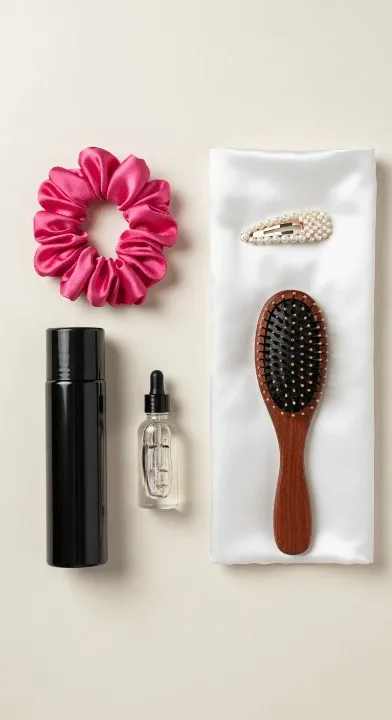
- Switch to a silk or satin pillowcase. It keeps your hair smooth while you sleep.
- Wrap your hair in a silk scarf or bonnet. This adds an extra layer of protection and keeps everything in place.
- Avoid tossing and turning. Try sleeping on your back or in a slightly elevated position if possible.
If your hair tends to slip out of the wrap overnight, use light bobby pins to secure the ribbons or braids in place.

Step 4: The Morning Reveal
Now for the best part—unraveling your curls!
- Take your time. Gently remove any ties or ribbons, starting from the ends and working upward.
- Don’t brush right away. Use your fingers to separate the curls instead of a brush to maintain definition.
- Add finishing touches. Apply a lightweight oil or shine serum to smooth frizz and add a glossy finish.
You’ll instantly see soft, natural-looking curls that bounce beautifully without heat damage.
Step 5: Make the Curls Last Longer
If you want your curls to stay bouncy all day (or even for two days), a little styling goes a long way.
- Apply a flexible-hold hairspray. Avoid stiff sprays—choose one that allows movement.
- Avoid touching your hair too much. The more you play with it, the quicker it loses shape.
- Refresh on day two. Lightly spritz your hair with water and re-twist a few sections for a quick reset.
For extra volume, flip your hair upside down and shake out the roots before heading out—it instantly revives your curls.

The Takeaway
Getting heatless curls overnight isn’t just a trend—it’s the ultimate low-effort, high-reward hairstyle. With a few smart tricks and the right bedtime setup, you can wake up with glossy, defined waves that look like they took hours to create.
No more fried ends or early-morning curling sessions. Just wrap, sleep, and slay.
Save this guide for your next lazy night—you’ll thank yourself in the morning.

Leave a Reply