

Matching outfit colors can feel tricky, but it doesn’t have to be. Imagine walking into a room and having your outfit look like it was pulled straight from a fashion magazine. That’s the power of color coordination. Once you understand a few simple principles, you’ll be able to mix and match like a professional stylist, creating looks that feel effortless, balanced, and visually stunning.
Understand the Color Wheel
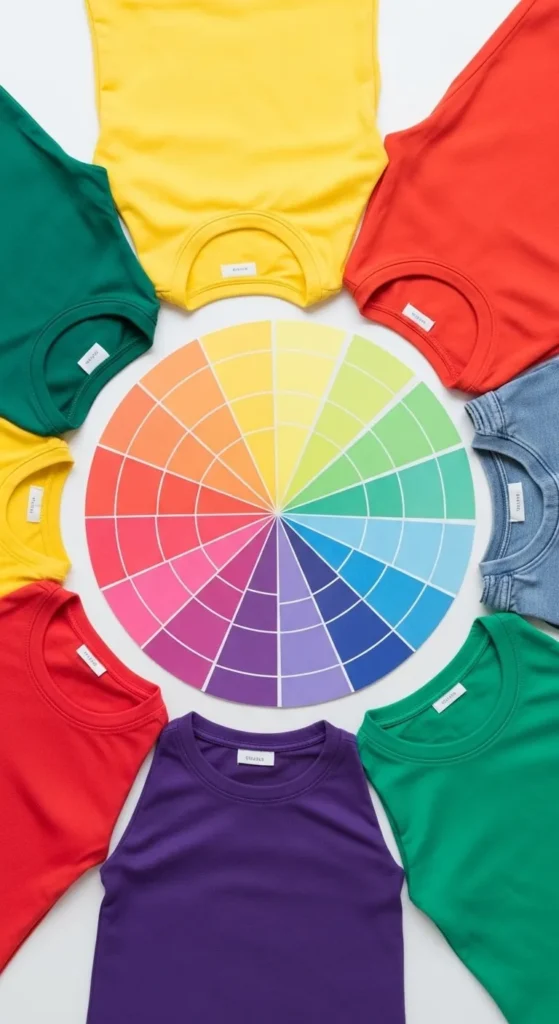
The first step to mastering outfit colors is knowing your basics. The color wheel isn’t just for artists—it’s a stylist’s secret weapon.
- Primary colors: Red, blue, yellow. These are the building blocks.
- Secondary colors: Green, orange, purple. Mix primary colors to get these.
- Tertiary colors: The shades in between, like red-orange or blue-green.
Using the color wheel, you can easily pick colors that complement each other.
- Complementary colors: Opposites on the wheel, like blue and orange. They pop together.
- Analogous colors: Next to each other on the wheel, like blue, teal, and green. These feel harmonious.
- Monochromatic colors: Different shades of the same color. Think light pink, blush, and deep rose.
Start With a Base Color
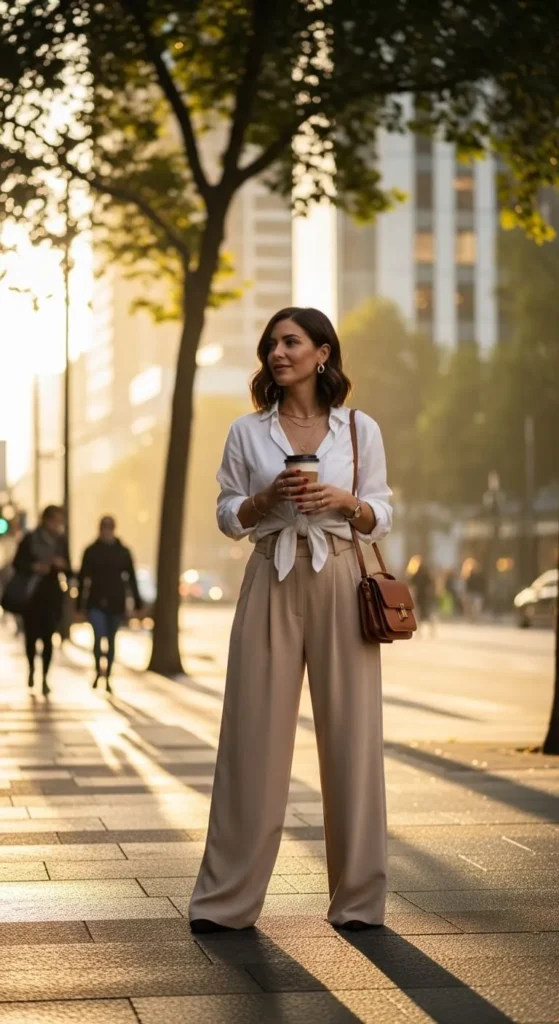
When building an outfit, pick a base color first. This is usually the largest item in your outfit, like pants, a skirt, or a dress. Neutral colors like black, white, beige, and gray are versatile bases because they pair with almost anything.
Tips for choosing a base color:
- If you love bold colors, use them as your base and keep accessories neutral.
- For softer looks, neutral or pastel bases work best.
- Your base color sets the tone for the rest of your outfit.
Add Accent Colors
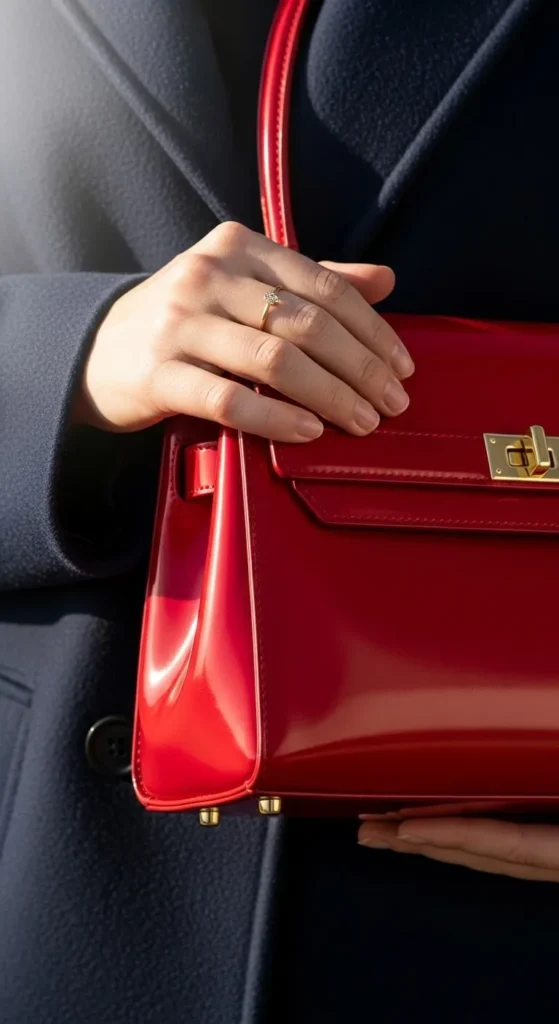
Accent colors bring life to your outfit. These are smaller pieces like jackets, scarves, handbags, or shoes. They can either match or contrast your base color.
- Contrasting accents: Add energy and make your outfit pop. For example, a mustard scarf with a navy coat.
- Matching accents: Keep your outfit calm and cohesive. For example, soft pink shoes with a blush dress.
- Pop of color: Even one bright piece, like a red bag, can elevate a neutral outfit.
A good rule of thumb: 60% base color, 30% secondary color, and 10% accent color. This ratio keeps your outfit balanced and stylish.
Mix Patterns Carefully
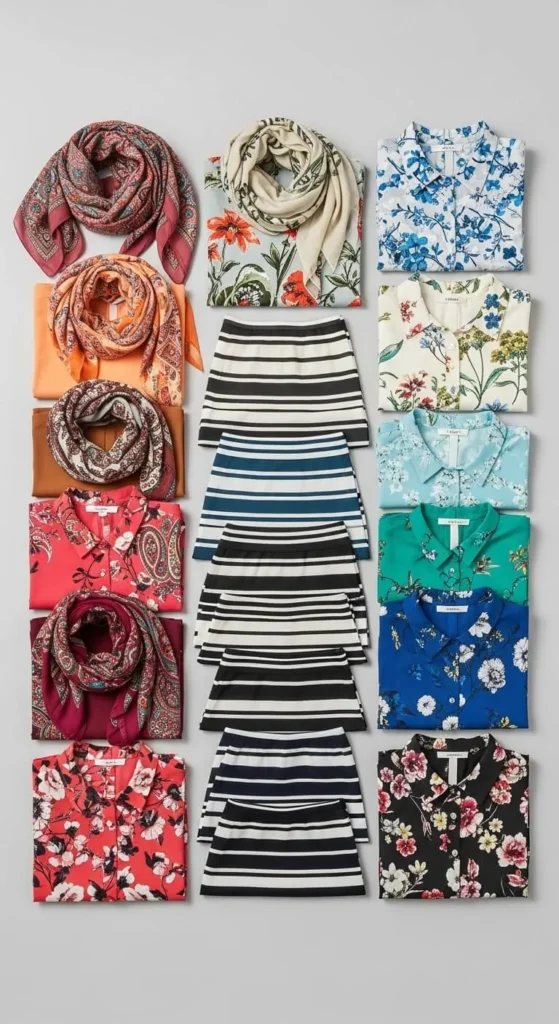
Patterns can add fun and personality to your outfit, but mismatched patterns can look chaotic. Here’s how to do it like a stylist:
- Pair a bold pattern with a solid color from the pattern itself.
- Stick to one patterned piece at a time for beginners.
- Mix small and large patterns to avoid visual overload.
For example, a floral blouse in shades of blue pairs beautifully with solid navy pants. Or a striped skirt can look chic with a plain top in a matching color.
Consider Color Temperature
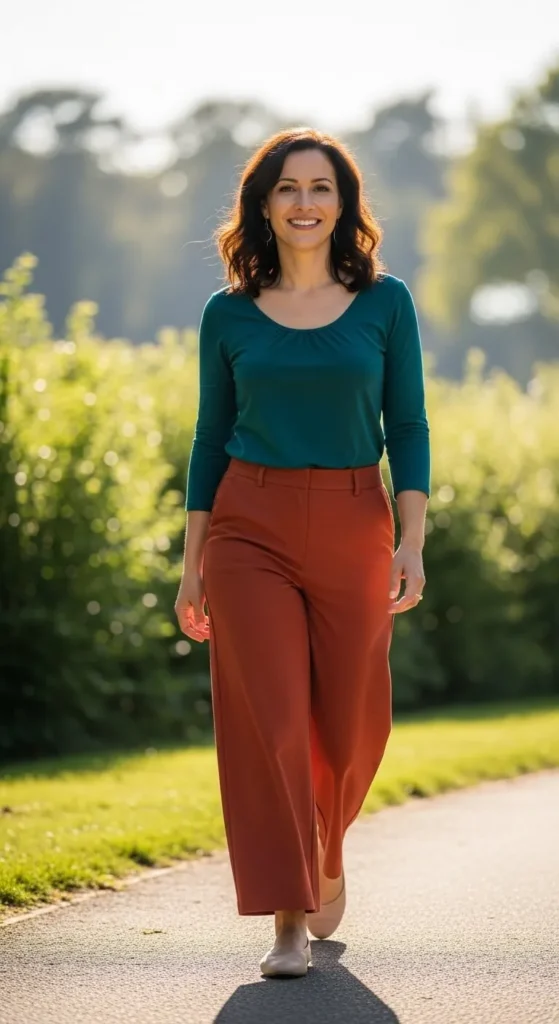
Colors have a temperature: warm or cool. Warm colors include red, orange, and yellow. Cool colors are blue, green, and purple. Mixing warm and cool tones can be tricky but rewarding when done right.
Tips for balancing temperatures:
- Keep the base color neutral if mixing warm and cool tones.
- Use accessories to introduce a different temperature gradually.
- Try makeup or shoes to subtly balance warm and cool shades.
Don’t Forget the Occasion
Matching colors isn’t just about looking good—it’s about context. Consider where you’re going and what vibe you want to convey.
- Work or formal events: Stick to neutrals, monochromatic tones, or soft contrasts.
- Casual outings: Experiment with bolder colors and fun combinations.
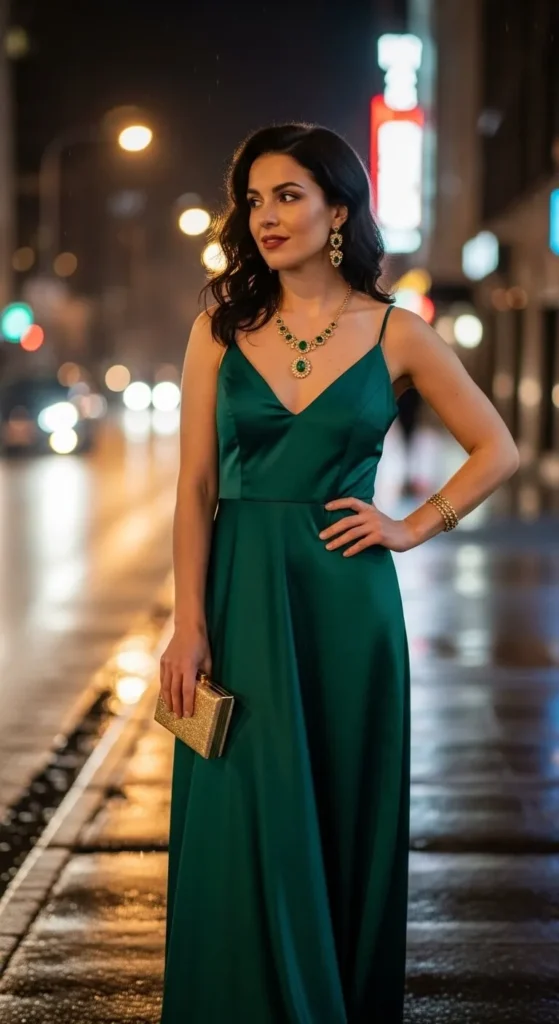
- Evening or party looks: Metallics, jewel tones, and contrasting colors make a statement.
Test and Refine Your Style
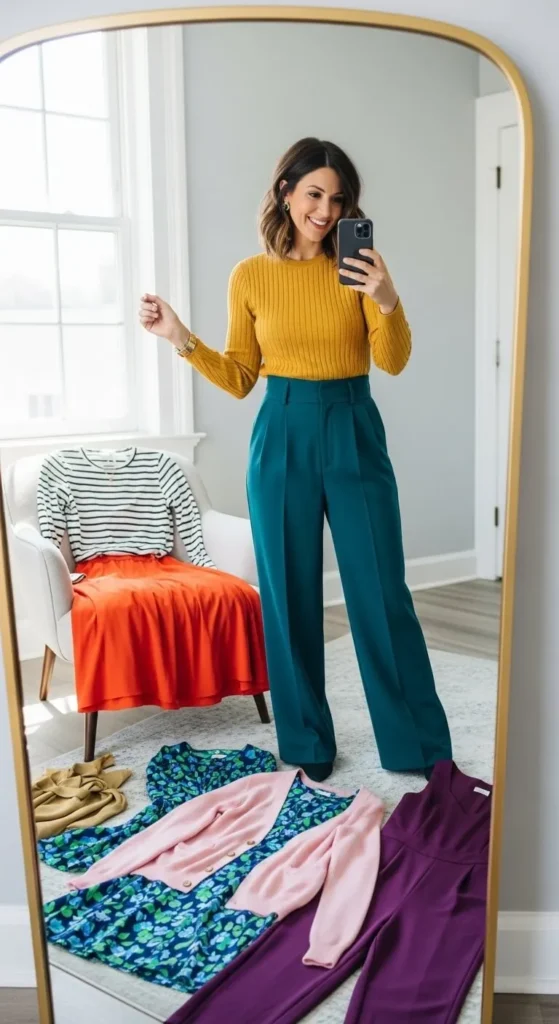
Even stylists try outfits on and tweak them before leaving the house. Don’t be afraid to experiment. Take photos of combinations, ask friends for opinions, and trust your instincts. Over time, you’ll develop an eye for what works best for you.
Quick tips:
- Try layering colors for more depth.
- Adjust shades of the same color to add contrast without clashing.
- Keep a mental or physical list of combinations that work for future reference.
Takeaway
Matching outfit colors doesn’t have to be stressful. Start with a base color, add accent pieces, consider patterns and color temperature, and always keep the occasion in mind. Once you practice, mixing and matching will feel intuitive, and your wardrobe will become a playground of stylish combinations.
Save this guide for your next shopping trip or outfit planning session. With a few simple steps, you’ll start looking like a fashion stylist in your own closet.

Leave a Reply