

Mixing patterns can feel scary. One wrong move and suddenly your outfit looks loud, confusing, or unfinished. But when it’s done right, pattern mixing looks stylish, confident, and very intentional.
The truth is, mixing patterns is not about following strict fashion rules. It’s about balance, scale, and knowing where to stop. Once you understand a few simple ideas, you can mix stripes, florals, checks, and prints without ever looking mismatched.
Let’s break it down step by step in an easy, wearable way.
Start With a Neutral Base
If you’re new to mixing patterns, begin with neutral colors. Neutrals help calm the look and give your patterns room to shine without competing.
Think of neutrals as your anchor. They keep everything grounded.
Good neutral bases include
• White
• Black
• Beige
• Gray
• Denim
• Navy
You can wear one neutral piece or even build most of the outfit around neutrals and add patterns slowly.
For example, a white shirt paired with patterned pants feels much easier than mixing two bold prints right away. Once you feel confident, you can start layering more patterns on top.
Mix Different Pattern Sizes
One of the biggest secrets to mixing patterns successfully is scale. Patterns should not fight for attention.
The easiest rule to remember is this
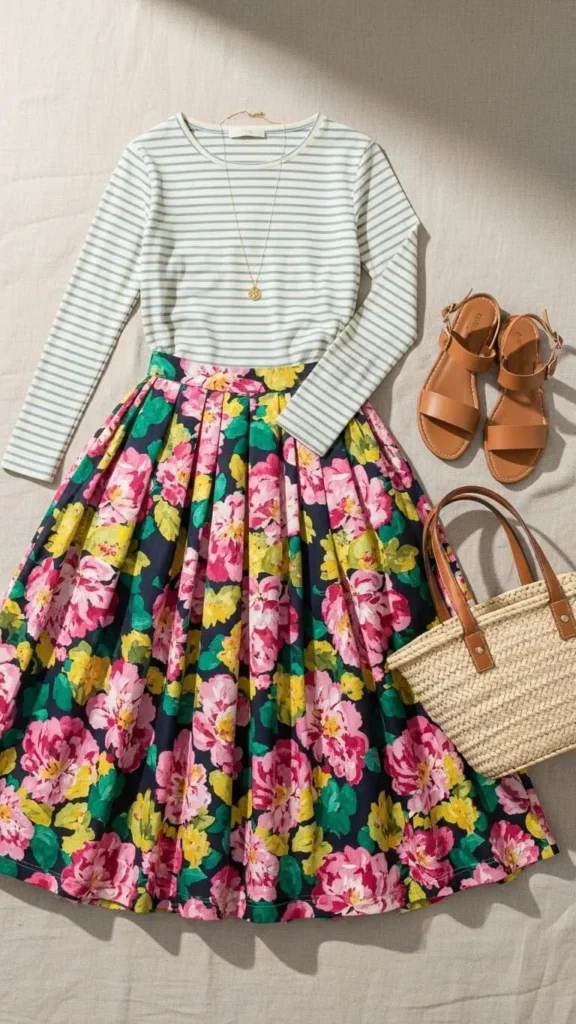
Mix one large pattern with one small pattern.
Large patterns grab the eye first, while smaller patterns work as a supporting detail. When both patterns are the same size, they compete and create visual noise.
Examples that work well
• Large floral + thin stripes
• Bold checks + tiny polka dots
• Oversized print + subtle texture
If you’re unsure, step back and look in the mirror. Your eye should move smoothly across the outfit, not feel stuck or overwhelmed.
Stick to a Shared Color Palette
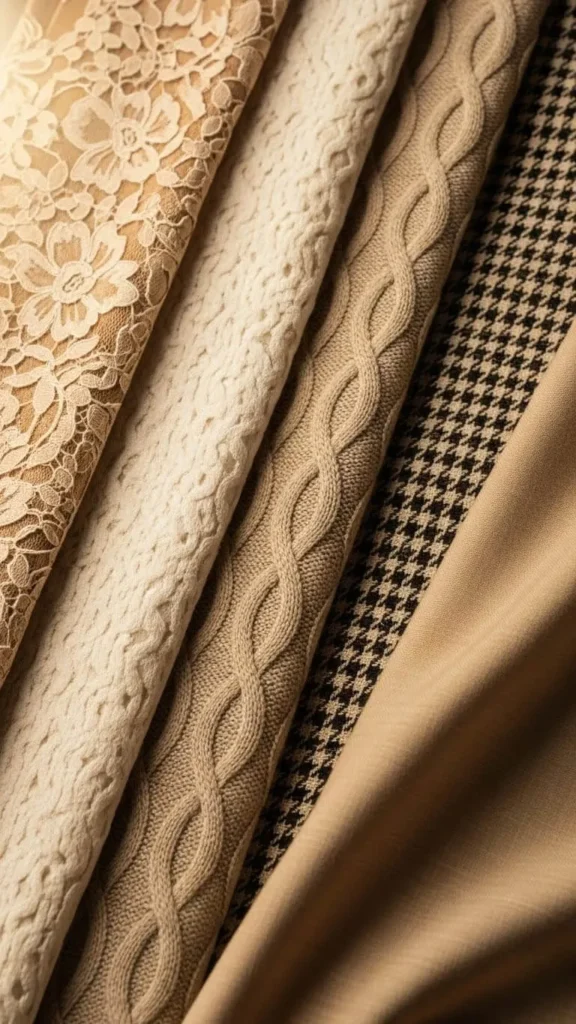
Patterns look intentional when they share at least one common color. This creates harmony even when the prints are very different.
You don’t need exact color matches. Similar tones work just as well.
For example
• A blue striped shirt with a floral skirt that has hints of blue
• A black and white polka dot top with a plaid blazer in gray tones
• Earthy prints all staying within browns, creams, and greens
This is one of the easiest tricks to master, and it instantly makes your outfit look styled instead of random.
Use Stripes as Your Pattern Anchor
Stripes are one of the safest patterns to mix with almost anything. They act like a neutral but still add visual interest.
Why stripes work so well
• They are structured and predictable
• They balance busy prints
• They don’t overwhelm the outfit
You can pair stripes with
• Florals
• Animal prints
• Polka dots
• Plaid
If you’re unsure what to mix first, start with stripes. A striped shirt under a floral jacket or a striped skirt with a printed blouse is a great place to begin.
Balance Bold Prints With Calm Pieces
Not every item in your outfit needs a pattern. In fact, leaving some pieces simple is what makes pattern mixing work.
If you’re wearing two bold patterns, keep the rest of the outfit clean.
Good calming pieces include
• Solid color shoes
• Neutral bags
• Simple belts
• Minimal jewelry
This keeps the focus on your patterns and avoids visual overload.
Think of it like decorating a room. Too many statement pieces make the space feel cluttered. The same rule applies to clothes.
Try Pattern Mixing With Accessories First
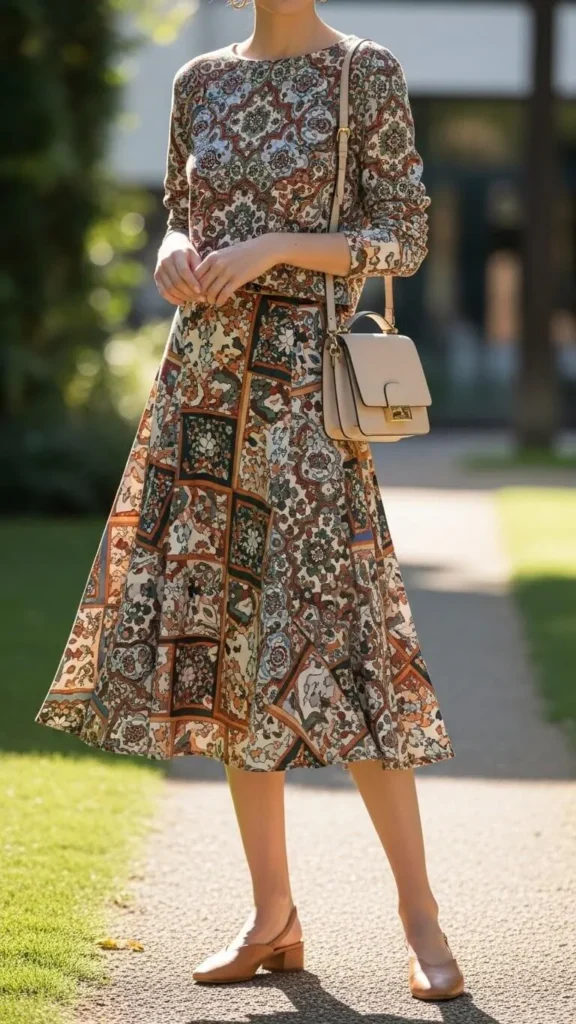
If mixing full outfits feels intimidating, start small. Accessories are the perfect entry point.
Easy pattern mixing ideas
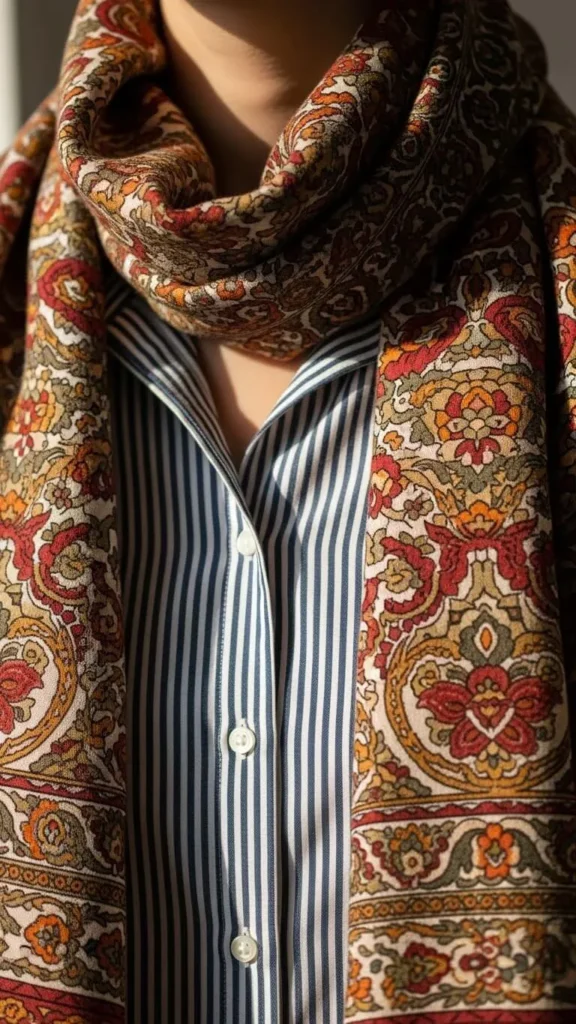
• Printed scarf with a striped top
• Patterned shoes with a simple outfit
• Floral bag with a checkered dress
Accessories let you experiment without committing to a full look. If it feels off, you can remove one piece quickly.
Over time, your eye gets trained, and mixing patterns becomes second nature.
Keep the Overall Style Consistent
Patterns mix best when they share a similar vibe. A boho floral and a sharp graphic print may clash even if the colors match.
Ask yourself
Is this outfit casual, polished, or playful?
Then choose patterns that fit that mood.
Examples
• Soft florals + light stripes for a relaxed look
• Plaid + pinstripes for a tailored outfit
• Fun prints + bold colors for a playful style
When the mood is consistent, the outfit feels cohesive even with multiple patterns.
Trust Your Eye and Keep Practicing
At the end of the day, pattern mixing is a skill that improves with practice. The more you try, the better you’ll get at spotting what works.
Here’s a simple test
If your outfit feels balanced and you feel confident wearing it, it works.
Take photos of outfits you love. Save inspiration on Pinterest. Try new combinations at home before wearing them out. Fashion is meant to be fun, not stressful.
Final Takeaway
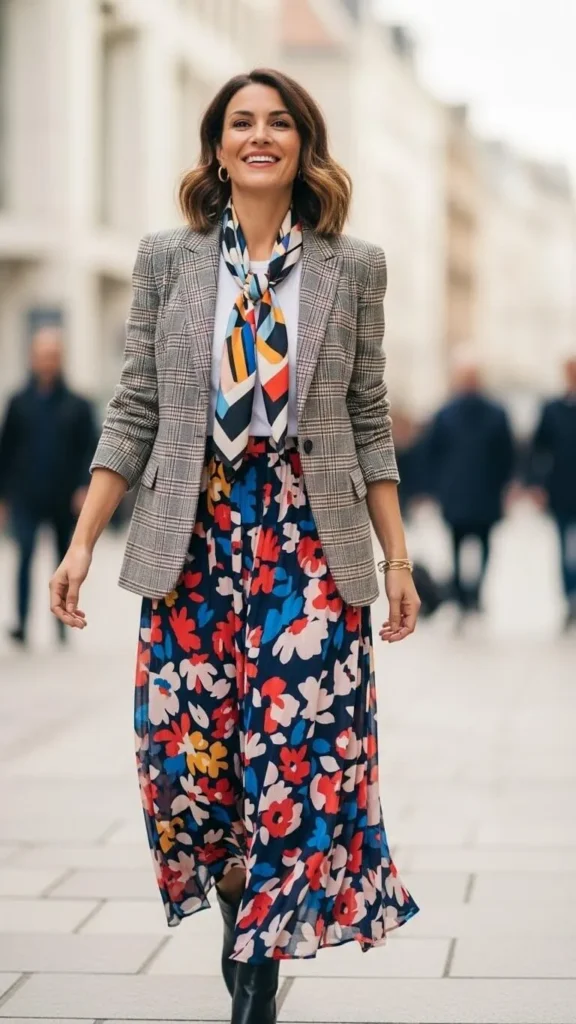
Mixing patterns doesn’t have to feel confusing or risky. Start with neutrals, vary pattern sizes, stick to a shared color palette, and let simple pieces balance the look. Begin small, build confidence, and trust your eye.
Save this guide for later and try a new pattern mix this week. Your wardrobe will thank you.

Leave a Reply