

If your hairbrush is full of broken strands and your ends snap faster than they grow, you’re not alone. Hair breakage is one of the most common hair struggles — and luckily, one of the most fixable. Whether it’s caused by heat, coloring, or just everyday wear and tear, the right care routine can restore your strands to their strong, silky glory.
Let’s dive into how to stop hair breakage once and for all and rebuild that strength and shine your hair deserves.
Understand Why Hair Breaks
Before you can fix breakage, it helps to know what’s causing it. Hair is made of a protein called keratin, and when it’s weakened by external stressors, the cuticle (the outer layer) cracks. Once that happens, your strands lose moisture and elasticity, making them more likely to snap.
Common causes include:
- Heat styling (flat irons, curling wands, and blow dryers)
- Chemical treatments like bleaching, coloring, or relaxing
- Over-washing with harsh shampoos
- Tight hairstyles that pull and strain the roots
- Lack of moisture and nutrients
Understanding the “why” is the first step toward healthier hair — and it helps you target the real problem instead of just treating the symptoms.
Step 1: Switch to a Strengthening Shampoo and Conditioner
A protein-rich, sulfate-free shampoo and conditioner can make a world of difference. Sulfates strip away natural oils that keep your hair elastic and hydrated. Instead, choose formulas with:
- Keratin or collagen to rebuild the hair structure
- Coconut, argan, or jojoba oil for deep nourishment
- Panthenol or biotin for strength and shine
Try washing your hair only two to three times a week, and always condition after shampooing. When applying conditioner, focus on the mid-lengths and ends, not the scalp.

Step 2: Add a Weekly Hair Mask or Treatment
Think of hair masks as a rescue mission for damaged strands. These intensive treatments penetrate deeper than regular conditioner to repair the inner layer of your hair.
Look for masks that contain:
- Hydrolyzed proteins to rebuild weak areas
- Natural oils (argan, olive, avocado) to seal in moisture
- Amino acids to improve elasticity
Apply once or twice a week after shampooing. Leave it on for 10–20 minutes before rinsing thoroughly. To boost absorption, wrap your hair in a warm towel during the mask session — it helps open up the cuticle so nutrients can sink in.

Step 3: Use a Leave-In Conditioner or Serum
Everyday friction from brushing, sleeping, or even wind can cause tiny cracks in your hair shaft. Leave-in conditioners and serums act as a protective barrier, keeping moisture locked in while minimizing damage.
Look for lightweight formulas that won’t weigh down your hair. Apply a few drops on damp hair, focusing on your ends.
Pro tip: If your hair is color-treated, choose a leave-in with UV filters to protect it from sun damage.
Step 4: Limit Heat Styling
Heat is one of the fastest ways to cause breakage — but that doesn’t mean you need to give up your favorite styles entirely. You just need to be smarter about it.
Here’s how:
- Always apply a heat protectant spray before styling.
- Use the lowest heat setting possible.
- Try air drying or using heatless styling methods a few times a week.
- Don’t go over the same section multiple times with your iron.
If you love curls or waves, experiment with braid curls or heatless rods overnight — they give you bounce without the burn.

Step 5: Rethink Your Hair Tools and Accessories
Your daily tools might secretly be breaking your hair. Metal clips, tight elastics, and harsh brushes can all cause unnecessary stress.
Switch to:
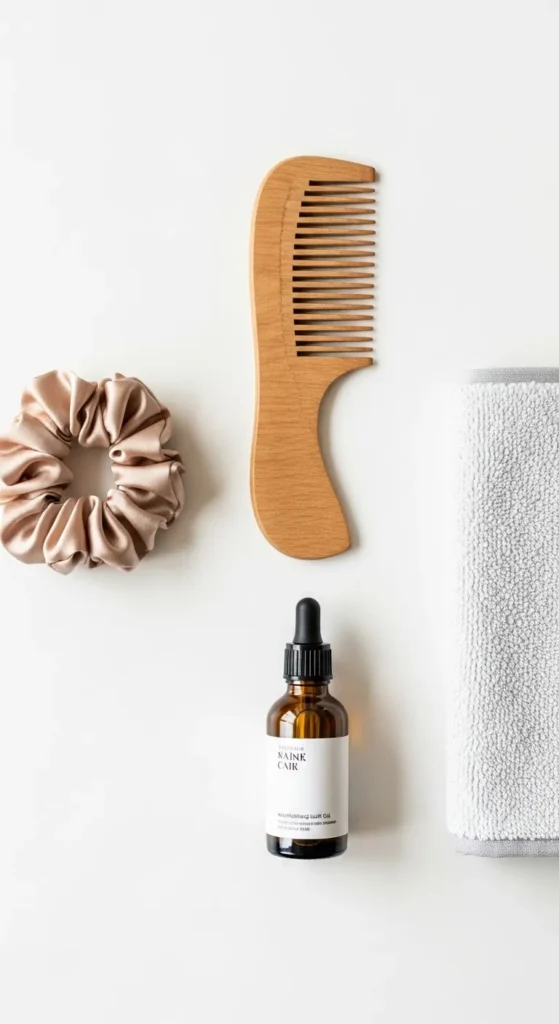
- Silk scrunchies instead of tight rubber bands
- Wide-tooth combs instead of plastic brushes
- Satin pillowcases to prevent friction while you sleep
Small changes in your tools can have a big impact over time.
Step 6: Nourish from the Inside Out
Healthy hair starts with a healthy body. Your diet plays a major role in hair strength, since your strands are built from proteins and nutrients.
Focus on:
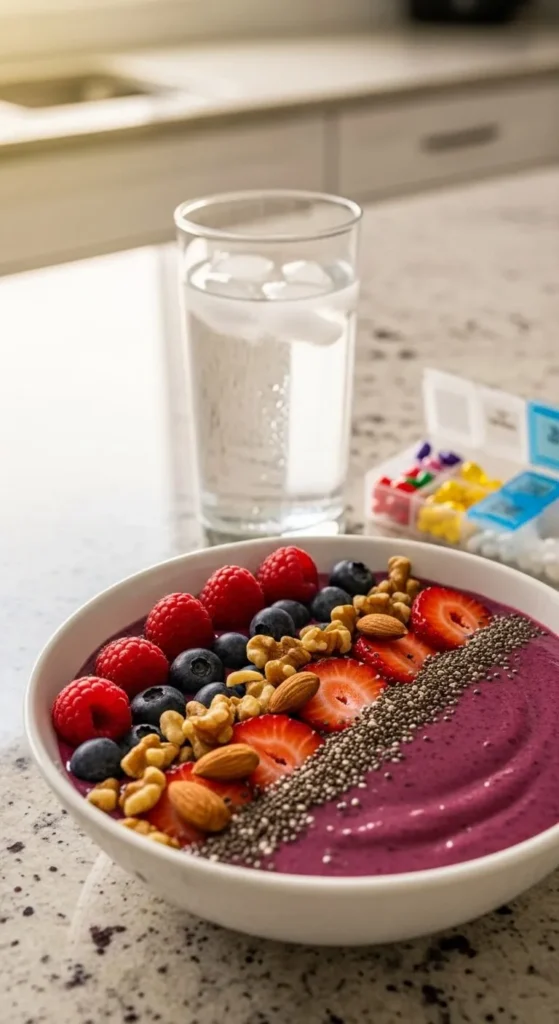
- Protein-rich foods: eggs, fish, beans, and chicken
- Omega-3 fatty acids: found in salmon, walnuts, and flaxseeds
- Biotin and vitamin E: for hair growth and repair
- Plenty of water: dehydration leads to brittle strands
You can also consider a hair-strengthening supplement if your diet lacks certain vitamins, but check with your doctor before starting any new regimen.
Step 7: Trim Regularly and Be Gentle
It might sound counterintuitive, but trimming your hair every 8–10 weeks prevents more breakage. Split ends travel up the strand, so cutting them off early keeps your hair looking healthy and full.
Also, be gentle when handling your hair:
- Don’t brush wet hair — use a wide-tooth comb instead.
- Avoid rubbing with a towel; blot or wrap gently with a microfiber towel.
- Let your hair down often to avoid constant tension.
Gentle habits add up to stronger strands over time.

Step 8: Protect Your Hair Overnight
Your hair needs rest just like you do. Cotton pillowcases can pull and roughen up the cuticle as you move in your sleep.
Switch to a silk or satin pillowcase — it’s smoother on your strands and keeps your style lasting longer. You can also braid your hair loosely or wrap it in a silk scarf before bed to avoid tangles and friction.
Final Takeaway
Stronger hair doesn’t happen overnight, but with consistent care, patience, and the right products, you can absolutely bring life back to your locks. Start with small changes — a better shampoo, a weekly mask, and gentle detangling — and your hair will thank you in weeks.
Save this guide for your next self-care day and share it with someone who needs a little hair repair inspiration! 💛

Leave a Reply